Technology in the Classroom
Critical discussion of Technology in the classroom
-
Consider the ways in which technology has shifted education / teaching / learning and how it will necessarily shift your teaching moving forward.
-
You could consider more specifically how you plan to use technology, what specific tools are of interest to you and why, or what effective technology looks like in your placement.

Learning how to use technology is important for people of all ages and all areas of focus, regardless of their intended areas of occupation. Otherwise, you could have people in the Senate wasting everyone’s time asking companies like Google and Facebook simple questions about how the internet works, rather than getting to the crux of the political issues trying to be discussed (Click on above image to learn more). As our world evolves to become more technologically advanced, so must our teaching evolve to accommodate this need for new knowledge. According to one newer theory of learning, 21st Century Learning, education today must be more knowledge and technology driven in order to keep up with changing socio-economic realities. The theory “encourages the development of core subject knowledge as well as new media literacies, critical and systems thinking, and interpersonal and self-directional skills” and “involves an inquiry-based collaborative work that addresses real world issues and questions” (Theories of Learning, 2018). As such, technology should play an active role in the classroom. While this does not mean utilizing technology at every possible point in the learning process, it does mean providing opportunities for students to use technology in meaningful ways so that they are better equipped to utilize these resources in the future. Students nowadays are expected to turn in electronic essays rather than paper and pen essays of the past. Why shouldn’t students learn the skills necessary to complete an essay in this format or any other assignment for that matter?
The students at my placement in the Friends School Haverford use their laptops in class to create PowerPoints that they have to present later in both their science and English classes. Not only are they learning relevant content information for the class as they create projects through these programs, but they are also learning how to use the programs themselves and can allow their own creativity and curiosity shine through in their project when they explore ways in which to make their projects better through these programs. As the workforce requires greater knowledge of programs like Word, Excel, PowerPoint, Adobe, Photoshop, and others, public education then becomes a useful and important place for students to learn skills that they would be unable to learn anywhere else. Students should be able to practice making a PowerPoint, making video or audio content, or looking up effective and useful research online. Thus, the use of technology in the classroom should be less about what type of electronic or advanced devices are being used but rather more about the learning of how to use standard programs and the exploration of new technological developments so that young people can be equipped with the knowledge and curiosity to think about them and learn about them as technology continues to evolve.
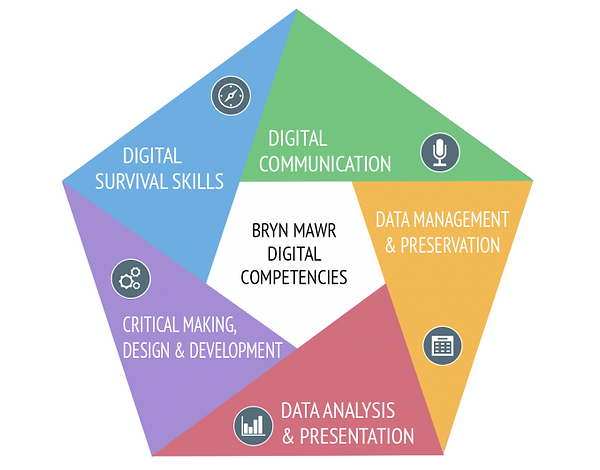
Another aspect to technology and learning is learning how to use technology in ethical, thoughtful, and responsible ways. Not only in the physical handling of technology, but also in their use of the world wide web and their thinking about what is ethical to use and develop. “In most states, the policy approach has been to criminalize cyberbullying and require schools to install filtering tools to ensure children aren’t seeing harmful or unsavory images or prevent the use of potentially troublesome social-media apps. Simply blocking these apps rather than actually preparing children for this new world is shortsighted. Meanwhile, blocking and filtering is just ineffective: Schools experience breaches, and kids access media via smartphones and tablets outside of school” (McNeill, 2015). Allowing technology into the classroom is the necessary first step in addressing how young people can engage in it in meaningful and ethical ways that will be not only be useful for them in life and in the future, but also protect them from engaging in any harmful or illicit behavior. Some schools have already engaged in this practice through lessons on “digital citizenship” with positive gains in other areas of the classroom. “Lessons on digital citizenship help youths learn norms of appropriate, responsible, and healthy behavior, such as: what’s appropriate to share online and why privacy matters, how comments on anonymous social media apps may hurt others; and what message youths are sending to a potentially worldwide audience when they post videos of bad behavior” (McNeill, 2015). This program sounds similar to the program Bryn Mawr utilizes in some of its special programming called "Digital Competencies" in which students in programs like LILAC summer funding or Praxis Independent Study must think about the ways in which their internships utilize different forms of technology in the workplace and think critically about how it is used (See Below Image). Such knowledge is crucial as people in our increasingly globalized society become more and more critical and scrutinized through their words and actions as they are documented online. Technological learning in the classroom, thus, is critical for both learning how to use various programs that will be useful for students in furthering their education and how to use such technology in ethical and critical ways.