Generative Topics
What models do you plan to use? What will you take from including passions and generative topics?
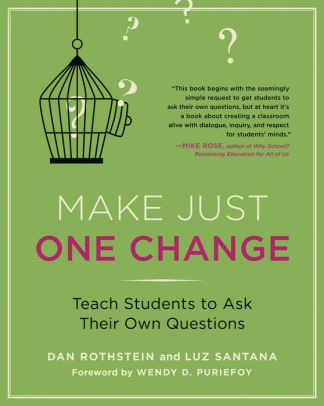
Generative topics are “ideas, topics, themes, issues, and questions that provide enough depth and variety of perspective to help students develop significant understandings” (Perrone, 107). “The most generative topics are central to a field of inquiry, accessible to students at many different levels, and rich in implications and connections” (107). Focusing on generative topics is one of the biggest and encompassing ways to develop and maintain individual interest in the units. Students are able to find their own paths into the subject matter through their own ways that the engage with the larger topic. Furthermore, “there is likely never a point within them when there is nothing more to study or learn. And generative topics are connected to other topics and other fields, to life beyond school. In this regard, they don't stand fully alone. Moreover, they are topics teachers have a genuine interest in and are enthusiastic about” (107). As a result, class discussions will include more entry points through this larger discussion in which students can develop their own interests, help others find and develop similar interests, and maintain enthusiasm in the content that students are learning. This relates to another book that I learned about through my TLI partnership this semester: Make Just One Change (See Image 3). In this book, Rothstein & Santana encourage educators to help learners of all ages learn how to formulate meaningful questions themselves. Generative topics and question formulation fit well together because they both are intended to meet students with the learning they come into the classroom with and build upon it in meaningful ways.